



Blog
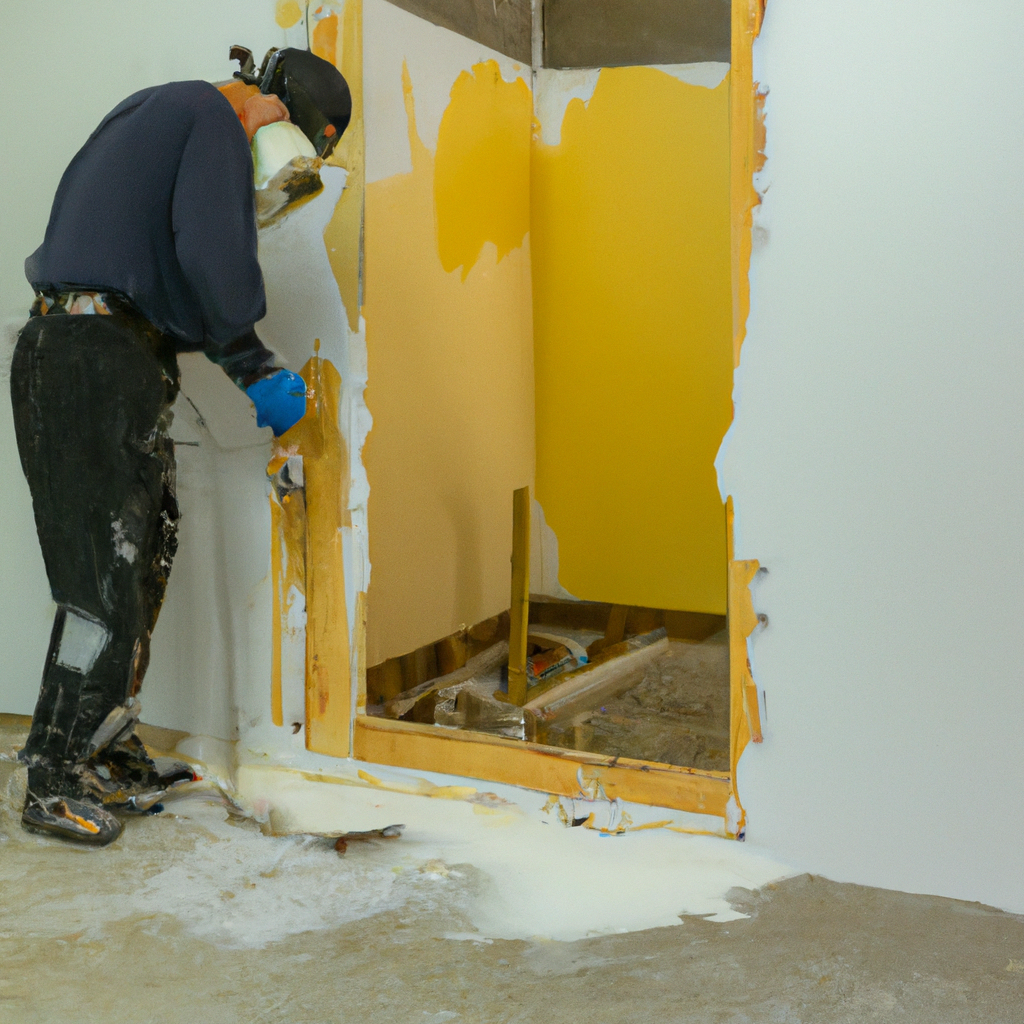
Professional Mold Remediation Techniques
**Mastering Professional Mold Remediation Techniques in Industrial and Commercial Settings**
Mold is an insidious threat in industrial and commercial environments, capable of causing extensive damage and posing significant health risks if not addressed promptly and effectively. Understanding professional mold remediation techniques is crucial for maintaining the safety and integrity of these large-scale settings. This article will delve into the key practices, safety considerations, and strategies for mold control, focusing on environments that may face water damage from sources such as sewage or well water.
### Understanding Mold Infestation
Mold thrives in moist environments, making water damage a common precursor to its growth. Spills, leaks, or flooding—especially involving sewage or well water—can create an ideal breeding ground for mold. Without timely intervention, mold can spread quickly across surfaces, compromising structural integrity and leading to costly repairs.
#### Key Indicators of Mold Presence:
– **Visible Discoloration:** Mold often appears as black, green, or white patches on walls, ceilings, or floors.
– **Musty Odors:** A persistent, musty smell can indicate hidden mold.
– **Health Symptoms:** Occupants experiencing respiratory issues, skin irritation, or allergic reactions might be suffering from mold exposure.
### Effective Mold Remediation Techniques
#### 1. **Comprehensive Mold Inspection**
Before beginning remediation, a thorough mold inspection is imperative. This involves:
– **Visual Assessment:** Identifying visible signs of mold growth.
– **Moisture Mapping:** Using infrared cameras and moisture meters to locate hidden moisture.
– **Air and Surface Testing:** Collecting samples to determine mold type and concentration levels.
A detailed inspection allows for a tailored remediation approach, ensuring all affected areas are addressed.
#### 2. **Containment and Air Filtration**
Preventing mold spores from spreading to unaffected areas is critical in large-scale environments.
– **Containment Barriers:** Establishing physical barriers using plastic sheeting and sealing off HVAC systems.
– **HEPA Filtration:** Utilizing air scrubbers equipped with HEPA filters to capture airborne spores and maintain air quality.
#### 3. **Safe Mold Removal**
Removing mold safely necessitates specific techniques and equipment:
– **Protective Gear:** Workers should wear PPE, including N95 masks, gloves, and protective suits, to prevent exposure.
– **Removal Methods:** Techniques vary based on surface material—abrasive cleaning for hard surfaces, encapsulation for porous materials, and disposal for contaminated items.
#### 4. **Addressing Water Damage**
Mold remediation is incomplete without tackling the underlying cause—water intrusion.
– **Water Extraction:** Immediate removal of standing water using pumps and vacuums.
– **Drying and Dehumidification:** Industrial-grade dehumidifiers and fans to eliminate moisture.
– **Sewage Cleanup:** Specialized procedures for areas contaminated by sewage, involving disinfection and sanitization.
### Safety Considerations in Mold Remediation
– **Health and Safety Plans:** Develop and communicate detailed plans to protect workers and occupants.
– **Training and Certification:** Ensure that personnel are trained in mold remediation and hold relevant certifications.
– **Regular Monitoring:** Conduct air quality tests post-remediation to confirm successful mold removal and maintain safe conditions.
### Partnering with Professionals
While some businesses might consider handling mold remediation internally, the complexity and scale of industrial and commercial settings often require professional intervention. Companies such as TRI-WEH Restoration offer expertise in water damage restoration in Cincinnati and beyond, ensuring comprehensive solutions from inspection to final clearance.
#### Benefits of Professional Services:
– **Expertise and Experience:** Professionals bring specialized knowledge and have dealt with varied situations.
– **Advanced Equipment:** Access to industrial-grade tools and technology.
– **Efficiency and Compliance:** Adherence to industry standards and regulations, ensuring safe and effective remediation.
### Conclusion
Mold remediation in industrial and commercial environments is a multifaceted process that requires meticulous planning and execution. By following professional techniques and prioritizing safety, businesses can effectively manage mold threats, safeguarding both their premises and the health of employees and visitors. Addressing water damage promptly, whether from sewage or well water, and engaging experienced restoration services like TRI-WEH Restoration, are critical steps in maintaining a mold-free environment.