



Blog
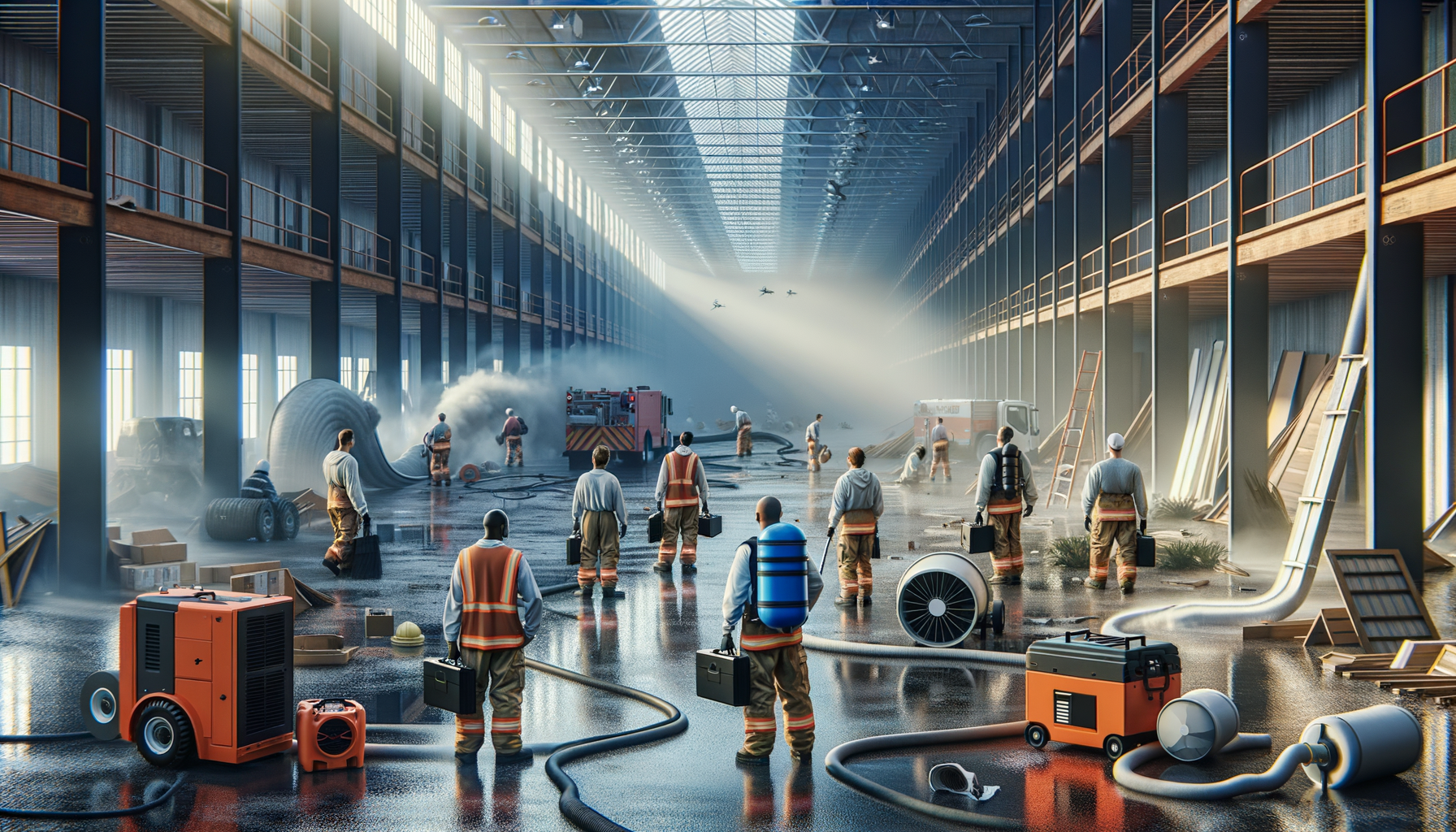
Commercial Fire Damage Repair for U.S. Businesses: Assessment to Restoration
Commercial Fire Damage Repair for U.S. Businesses: Assessment to Restoration
When a fire impacts a commercial or industrial property, the visible burn damage is only part of the loss. Heat, smoke, soot, and suppression water can spread through production floors, offices, distribution aisles, and mechanical rooms—creating corrosion, odors, electrical hazards, and conditions that can quickly lead to microbial growth. Effective commercial fire damage repair requires a structured approach: stabilize the site, document conditions, assess building systems, remove hazards, and restore operations with safety and compliance in mind.
Phase 1: Stabilization, Safety, and Site Access
Before cleanup begins, the priority is life safety and preventing secondary damage. Fire scenes can include compromised structural members, falling debris, energized equipment, and contaminated soot. TRI-WEH Restoration coordinates access plans with building ownership, facility managers, and local authorities to ensure the property is safe to enter and work.
- Verify utilities: controlled shutdown of electrical, gas, and process lines as needed.
- Secure the building: board-up, temporary fencing, and controlled entry to protect assets and limit liability.
- Evaluate structural stability: roof decking, trusses, mezzanines, and fire-rated assemblies.
- Establish PPE and exposure controls: soot and combustion byproducts require appropriate respiratory protection and hygiene protocols.
This is also where immediate damage control begins—protecting unaffected inventory, isolating sensitive equipment, and preventing soot migration into clean areas.
Phase 2: Assessment, Documentation, and Recovery Planning
Commercial fire restoration starts with a disciplined assessment. Large facilities often have mixed occupancies and high-value systems—HVAC, electrical distribution, data rooms, compressed air, process piping, and specialized machinery. A thorough evaluation supports accurate scoping, insurance documentation, and a realistic recovery timeline.
- Fire and smoke mapping: identify affected zones, pressure pathways, and soot deposition patterns.
- Material testing and classification: determine cleaning methods for porous vs. non-porous surfaces.
- Mechanical/electrical review: inspect panels, motors, drives, and controls for heat exposure and soot intrusion.
- Contents triage: prioritize critical operations assets, records, and essential inventory.
Because fire suppression frequently introduces water, assessment should include moisture control planning. That means checking wall cavities, insulation, subfloors, and concealed spaces where water can linger and create long-term problems.
Phase 3: Water Removal and Drying After Suppression Efforts
Even when the fire is contained quickly, sprinkler discharge or hose streams can saturate floors, racking bases, drywall, and insulation. Rapid extraction and drying reduces corrosion and helps prevent microbial amplification. In large-scale settings, teams deploy commercial-grade water extractors and implement drying strategies that match the building’s layout and airflow constraints.
- Extract standing water and remove water-damaged porous materials that cannot be restored.
- Use dehumidification and air movement to dry structural components and reduce rusting on equipment.
- Monitor moisture in concrete, wood, and wall assemblies to confirm drying progress.
Where water impacted concealed areas, a targeted mold inspection may be appropriate during or after drying—especially in warm, humid regions or when the facility cannot be dried promptly due to power limitations or access restrictions.
Phase 4: Soot Removal, Odor Control, and HVAC Decontamination
Soot is not just cosmetic. It can be acidic and conductive, damaging metals and electronics and creating persistent odors. Proper soot removal is a step-by-step process that prevents cross-contamination and protects sensitive production environments.
- Containment and filtration: isolate work zones and use HEPA filtration to control airborne particulates.
- Surface cleaning: dry cleaning methods and wet cleaning agents selected for the specific soot type and substrate.
- Odor neutralization: apply proven deodorization methods after source removal, not as a substitute for cleaning.
- HVAC cleaning: inspect and clean ductwork, coils, and air handlers; replace filters; confirm system cleanliness before restart.
For facilities with clean-room requirements, food handling, or regulated production, cleaning verification and documentation are essential to support internal quality standards and third-party audits.
Phase 5: Repair, Reconstruction, and Operational Restart
Once the environment is stabilized and contamination is addressed, repair and reconstruction can proceed. Commercial fire damage repair often includes demolition of unsalvageable finishes, rebuilding fire-rated assemblies, and restoring critical utilities. The goal is not only to rebuild, but to return the facility to safe, code-compliant operation.
- Selective demolition and reconstruction of walls, ceilings, flooring systems, and insulation.
- Electrical and controls restoration: replace damaged conductors, devices, and compromised components.
- Equipment recovery coordination: cleaning, testing, and recommissioning with vendors and maintenance teams.
- Final cleaning and clearance: ensure soot residue and odors are resolved before occupancy.
For multi-tenant properties or large plants, phased restoration can keep unaffected departments operating while repairs continue—minimizing downtime and protecting revenue.
Special Considerations: Storm-Related Fires and Complex Losses
In many regions, fires are tied to severe weather—lightning strikes, power surges, or generator issues following outages. When fire damage coincides with wind-driven rain or roof compromise, the response must integrate storm cleanup with fire restoration priorities. That includes securing openings, managing wet insulation, and preventing water intrusion from turning a fire loss into a broader building failure.
TRI-WEH Restoration approaches commercial fire losses with a focus on safety, documentation, and technically sound restoration practices—moving from assessment to full recovery with clear communication and measurable progress at every stage.